

Replacing a UPVC Door Lock
Your uPVC door locks are an important component of your security. Regular maintenance will ensure they are in top shape. To keep your lock mechanisms smooth and functioning, make use of a graphite-based grease.
Different kinds of uPVC locks come with different levels of security. Select the right lock for your needs.
How do you change the door lock
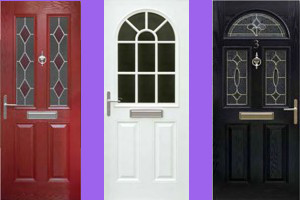
It is essential to keep the door lock in good working order. If you're planning to replace the lock, there are some things you need to know before you start the project. First, ensure that you're purchasing a lock that is compatible with the hardware you have. If not, you may have to hire an expert.
There are many different types of door locks available on the market, and it's crucial to find one that fits your door perfectly. The most commonly used lock is a cylinder-based system but you can also select the knob and lever system. You'll need the size of your doors to determine which lock is most suitable. The majority of off-the-shelf locks are made to fit doors up to 1 3/8 inches thick, but if your door is thicker than this, you'll need to purchase a set that comes with longer screws as well as a larger latch or deadbolt.
To replace a lock on doors, you'll need to remove the handle and handleplate. This can be accomplished with the use of a screwdriver. If you're worried about causing damage to your door, you can make use of a wooden block to stop the screwdriver from hitting the wood. After removing the handles you can remove deadbolts and latches off the faceplate.
The next step is to remove the two screws inside that hold each half of the lock together. After you've removed these screws, you'll be able to take the exterior and interior lock from the door.
You'll also have to remove the thumb latch if your old lock has one on the inside. To remove it, you need to loosen a screwscrew that is located at the middle of the thumb-latch mechanism and turn it counterclockwise.
Once the internal mechanism has been removed and the mechanism is removed, you can remove the knobs on the outside and then remove the shaft that connects them to the cylinder. It is possible to remove a set screw under the knob using an Allen Key, based on the lock. Once the knobs are removed then you'll be able to put the new lock together. Maclise says that everything slots together like puzzle pieces, however it's helpful to have a photo of the lock to refer to when putting it back together.
Tools you need
It's important to understand how to replace a broken uPVC lock. Depending on your circumstances it may be necessary to replace the entire mechanism or the smaller piece. You'll still have to take measurements of the door to be sure that the new lock will fit properly. You'll need a screwdriver and a tape measure to do this. Also, you'll need to make sure that the door is properly propped up or secured so it does not close during the process.
You'll need to collect key measurements of your uPVC door including the length of the door overall and the distance between the handle and the cylinder. This will ensure that the new lock cylinder fits properly without any compromise in security. replace lock on upvc door Repair My Windows And Doors at hand will help you do the job quickly and efficiently.
In addition to measuring tapes and screwdriver, it is recommended to have a utility knife, a pry bar or crowbar, and an adjustable wrench or pliers. These tools help you when you have to remove screws from the hardware or when you're taking the handle off. You should also keep a container for all hardware and screws that you are removing to ensure that you don't lose them.
Once you've gathered all the tools needed for the job, it's time to change the lock on your door. You'll first need to loosen screws that hold the handle in place. Once the screws are gone, you can remove the handles and pull out the locking mechanism off the door. If you're not sure of how to do this ask an expert locksmith. Then, choose the new lock mechanism and place it into the door.
After you've done this after which you can test the door to make sure it is working properly. After that, you can close and lock the door both sides. If everything is in order, you're ready to use your uPVC door again! It's a good idea apply a sealant around the edges of your door and frame to provide extra strength and protection. In this way, you can keep your home secure and safe for the long haul.
Take a look at your door.
If you're replacing an old lock or preparing to install one on the new door, it is important to accurately measure your door. Measurements of the door's overall width as well as the backset and distance from the handle to the cylinder are crucial to ensure that the lock is fitted and operates properly without risking security.
You'll also need to know the kind of uPVC door you are using. Certain brands of doors come with various variations of uPVC handles for doors, so you should know what kind of door you're working with prior to working. This will help you identify the appropriate replacement hardware and make sure that your new lock is installed correctly.
After identifying the type of uPVC you're dealing with, remove the handles and take a measurement. This will enable you to determine the dimensions of the new lock case as well as the faceplate so that you can buy the correct size. Taking accurate measurements will save you time and money in the long run and ensure that the new lock is correctly fit.
You might have to choose between lever pad or handle operation based on the design of your door. Lever pad upvc handles are typically used on older doors. They have an inside lever with a paddle on the outside. Handle operated handles made of upvc require a key from the inside to open. Consider the direction of your door since it will determine which way you can open the door.
To determine the thickness, you will need to loosen screws holding the handle. Then, you can slide it out the opening. You can determine the thickness of your door with the tape after you've removed the handle. Once you've gathered this information, you can purchase the correct-sized uPVC locking cylinder and ensure it's installed properly.
If you're a homeowner changing your uPVC locks is a straightforward DIY project that will improve the appearance of your home and increase security. If you're not comfortable using tools or don't have the time for it, a locksmith is an excellent alternative. They will have all the equipment, training and expertise needed to install your lock properly and offer excellent guidance.
Buying a lock
The right lock can make a huge difference in the security of your home. There are many types of locks to choose from that include standard and high-security models. Each lock has its advantages and disadvantages. It is crucial to choose the right type for your requirements. It is also essential to measure the spindle hole on the door and the handle position to ensure it's appropriate without risking security.
Installing a uPVC chain or bolt can enhance the security of your home. These devices add an extra layer of security to the exterior of your door. They can be easily connected with a bit of hardware. These devices are designed for the majority of burglaries, and can be bought from many home improvement shops.
It is essential to purchase a lock that has the correct dimensions when shopping for a lock for your doors made of uPVC. This can be done by measuring the dimensions of the keyhole and the distance from the door handle to the cylinder. You can also use tape measure to get this information. Then, you can take these measurements to the store, and pick a replacement lock that is the perfect match.
If you're not comfortable with installing your own uPVC door lock, you can always engage a locksmith to do it for you. However, this is costly, and you'll be required to pay their hourly cost. You can save money when you learn to do it yourself.
If your uPVC lock isn't performing in the way it should, you may require a replacement barrel lock. This is a DIY project that will take about a minute and can be done with the help of a screwdriver. You can find a range of lock barrels at the local hardware store or online, including the most popular brands like Yale and Avocet. Once you've selected the appropriate barrel, insert it in the slot and tighten screws to secure it. You can also test the barrel by inserting a key and turning it to make sure it works as you expect.